Great hospitality begins with ourselves.
When we understand ourselves, we lead more effectively, stay grounded under pressure, and connect with others in a more authentic way.
We spend every day making others feel welcome. But what about ourselves? In environments shaped by staff shortages, high expectations, and constant pressure, what does it take to remain truly present? How do we work with people whose emotions, expectations, and reactions differ from our own?
Affective Hospitality starts with a different question: What does it mean to become the best possible host for ourselves and for what we feel?
Because only from this foundation can genuine connection with others emerge.
Affective Hospitality brings together emotion and hospitality into a holistic approach. It combines emotional intelligence, mindfulness, and positive psychology with the lived practice of hospitality. The concept was developed at EHL Hotel School Passugg in collaboration with the Center for Affective Sciences at the University of Geneva.
At its core is a simple but powerful principle: we start with ourselves before turning toward others.
Rather than focusing first on how we behave toward guests or colleagues, Affective Hospitality begins with how we understand and manage our own emotions—because this is where meaningful and lasting development takes place.
When we learn to recognize, understand, and regulate our emotions, the quality of how we lead, collaborate, and connect naturally changes. Positive guest experiences and strong teams are not the primary goal—they are the outcome of doing the inner work.
Looking to create real, lasting change in your organization—not just run another workshop?
Affective Hospitality builds emotional intelligence, resilience, and leadership capabilities in everyday work environments. Our programs are practical, research-based, and designed to address real challenges such as pressure, complexity, and high expectations—across industries.
To ensure lasting impact, we focus on three key elements:
Your introduction to emotional intelligence at work
Outcome: A shared understanding and practical tools you can apply immediately
Pricing available upon request
Building emotional intelligence within teams
Outcome: Noticeable behavioral change and stronger team dynamics
Pricing available upon request
Embedding emotional intelligence across your organization
Outcome: Measurable impact on leadership, teamwork, and organizational culture
Pricing available upon request
Marco Zanolari
CEO, The Living Circle
“Hospitality is shaped by people, mindfulness, and genuine human connection.
That’s why, at The Living Circle, we consciously invest in personal development, emotional intelligence, mindset, and a positive leadership culture. These focus areas help us lead with greater clarity, act with more intention, and approach both our teams and our guests with empathy.
For us, personal development is a key foundation of truly lived hospitality.”
“Under the expert guidance of Franziska Reisser and Claudia Schmid, our team engaged deeply—with a strong sense of collaboration—in key topics such as emotional intelligence, personal values, mindset, and positive leadership.
A heartfelt thank you to all participants for their commitment, as well as to both facilitators for their outstanding work.”
The Living Circle Group, Zurich
“It was an exceptional and truly unique experience. I not only got to know my colleagues better, but also gained a deeper understanding of myself.”
Participant, Front Office, Widder Hotel
“The combination of personal depth, hands-on exercises, and well-grounded theoretical insights—along with the exchange among participants—made this workshop especially valuable.”
Participant, HR, The Living Circle
“I was particularly impressed by the open exchange across different properties and departments.”
Participant, Events, The Living Circle
“I hope we can continue building on this training in the future.”
Participant, Procurement, The Living Circle
The Affective Hospitality Lab is part of EHL Hospitality Business School Passugg and has been developing emotional intelligence as a core element of education and professional practice since 2019. The approach was created in collaboration with the Center for Affective Sciences at the University of Geneva and combines scientific rigor with real-world application in everyday work environments.
Our interdisciplinary team brings together experts from teaching, research, coaching, and leadership. Depending on the objective, we work in different constellations—often intentionally combining multiple perspectives to enable meaningful and lasting development.
What connects all of us is a shared belief: Real change always starts from within.
Claudia Schmid
Host Affective Hospitality Lab · Lecturer in Affective Hospitality · Resilience Trainer · Certified Systemic Coach (Solution- and Competence-Oriented)
“How often do we react out of impulse without even noticing what is happening inside us?
When we learn to observe ourselves—our behavior and its impact on others—we gain the ability to shift automatic reaction patterns in a meaningful way.
In most education systems, the focus is primarily on developing cognitive intelligence. Affective Hospitality, on the other hand, unlocks the potential of our emotional intelligence, our body awareness, and our overall human perception.
Since 2019, I have been working with Affective Hospitality and teaching this approach in both classroom settings and workshops. And I have a sense that I may be learning the most along the way.”
Frank Giannotti
Lecturer in Affective Hospitality
“Through teaching and exploring Affective Hospitality at EHL Hotel School Passugg, I’ve come to a clear realization: this is the lens through which all aspects of hospitality and service should be viewed.
Our most meaningful experiences are, by nature, deeply emotional. When we give emotional intelligence the same space in our thinking, we are able to make better, more adaptive decisions — in every lesson, every guest interaction, and every moment.
There is no better focus for lifelong learning.”
Birgitte Moser
Lecturer in Affective Hospitality
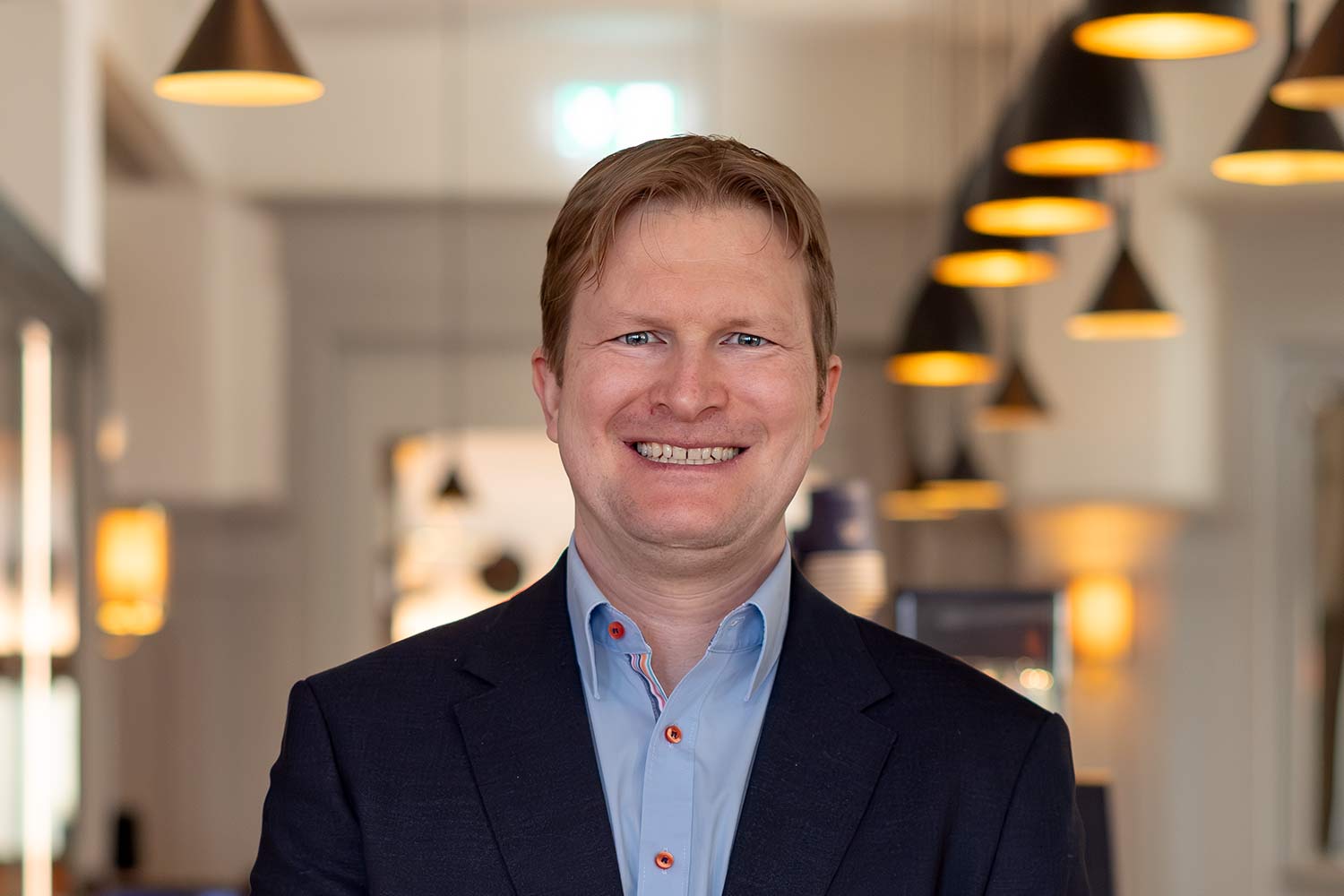
“I teach Affective Hospitality with great passion. In my view, it is an essential part of the hospitality curriculum at EHL Hotel School Passugg.
What matters even more to me, however, is living what I teach every day and leading by example for the students.”
Elias Jehle
Lecturer in Mindfulness, Mindful Leadership, and Self-Leadership at various universities · Yoga Teacher · WaVe® Career Coach
“I am passionate about creating spaces for learning and personal growth for students and professionals alike. My work focuses on self-leadership—particularly purpose and vocation—as well as mindfulness and mindful leadership, with an emphasis on meditation, inner balance, mental health, and resilience.
I have been recognized for my teaching and was the initiator of a large-scale mindfulness initiative at a leading Swiss university, reaching several thousand participants.”
“You can’t stop the waves, but you can learn how to surf.” — Jon Kabat-Zinn
Dr. Yves Givel
Certified Coach, Trainer, and Consultant in Mindfulness-Based Emotional Intelligence for Leaders
“I am the founder of The Mindfulness Company, with the mission of bringing the benefits of mindfulness and emotional intelligence into the workplace and beyond.
Before starting my own company, I held several senior HR leadership roles, including Senior Vice President of Human Resources for Europe, the Middle East, Africa, and Southwest Asia at an international hotel group.”
Dr. Fabio Duma
Lecturer and Trainer specializing in Leadership Development, Self-Leadership, and Inner Development
“For me, Affective Hospitality begins where genuine resonance is created—in the moment when someone is so fully present that others can truly feel it.
This is not a matter of chance or technique. It is the result of inner work: self-awareness, self-leadership, and the ability to stay grounded, even under pressure.
This is what drives my work in research, consulting with luxury and hospitality organizations, coaching, and teaching. I am committed to the Lab because I strongly believe that when people learn to be a good host to themselves, they fundamentally change the quality of every interaction.”
Bora Obucina
Expert in Body Language, Emotion Recognition, and Nonverbal Communication
“Sawubona. ‘I see you.’
For years, I have been working internationally with individuals and teams to use their behavior more consciously, to perceive others more holistically, and to better understand what is truly happening in human interaction—creating genuine connection as a result.
To me, Affective Hospitality means building real relationships—not just practicing formal politeness.”
Franziska Reisser
Coach and Lecturer specializing in Leadership and Positive Psychology
“I am fascinated by how leadership and culture shape people’s experience at work. As a coach, consultant, and facilitator, I support organizations in creating a work environment where individuals can reach their full potential and collaboration truly thrives.
My approach is grounded in positive leadership and emotionally intelligent leadership. As a PERMA-Lead consultant, I work closely with leaders and teams, supporting them with energy and commitment on their journey toward greater performance, engagement, and meaningful collaboration.”
Renata Willi
Lecturer in Affective Hospitality
“I have been teaching a variety of subjects at EHL Hospitality Business School Passugg for over 20 years. Affective Hospitality was something new for me at first—and well outside my comfort zone.
Through the training and my subsequent teaching experience, I’ve gained confidence and discovered a real appreciation for this field. Today, I value it deeply—it challenges me, sparks my curiosity, inspires me, and allows me to grow alongside my students.”
Frederik Schweighauser
Lecturer in Affective Hospitality
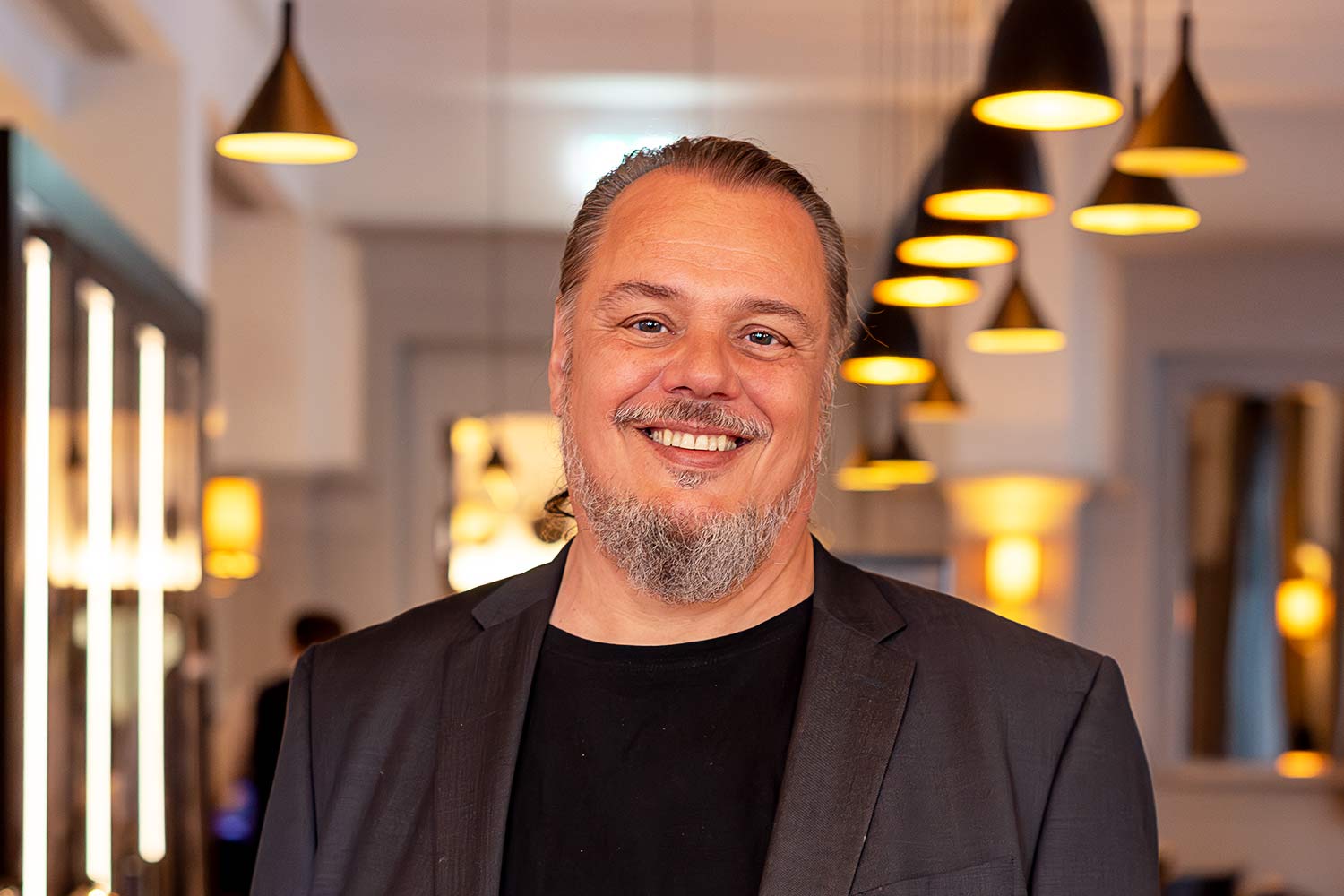
“I teach Affective Hospitality with great enthusiasm. My strong ability to read people helps me respond to different personalities on an individual level—and to recognize unspoken needs.
This is what enables real transfer into practice: students create memorable guest experiences shaped by attention, appreciation, and genuine ‘wow’ moments.”
Dr. Juliane Völker
Psychologist, Researcher, and Consultant specializing in Emotions and Emotional Intelligence
“As a psychologist, I explore how emotional intelligence can be measured and applied in the hospitality context.
To me, Affective Hospitality means understanding and developing the emotional capabilities of hospitality professionals—while enhancing performance, resilience, and well-being.
I bring this perspective into both education and business consulting.”
Affective Hospitality is an approach that integrates emotional intelligence into both hospitality education and professional practice.
It is built on the idea that genuine connection does not come from processes or checklists, but from how consciously we relate to ourselves and others.
The approach was developed at EHL Hotel School Passugg in collaboration with the Center for Affective Sciences at the University of Geneva and is applied in both academic programs and professional training.
Emotional intelligence is the ability to recognize, understand, influence, and regulate emotions—both your own and those of others.
It consists of four core skills:
These are not fixed personality traits—they are skills that can be developed over time.
Emotional intelligence forms the scientific foundation of Affective Hospitality.
The approach builds on this model and expands it through practices from mindfulness and positive psychology—specifically adapted to real-world work environments and leadership contexts.
Not exactly.
Emotional intelligence is the foundation, while Affective Hospitality is its practical application in settings such as leadership, teamwork, and service environments.
A key difference is the starting point: Affective Hospitality begins with self-awareness and personal development—before focusing on interactions with others.
Leaders with high emotional intelligence make better decisions under pressure, communicate more clearly, and respond more thoughtfully rather than react impulsively.
This leads to:
Organizations benefit from improved employee satisfaction, lower turnover, and stronger customer or guest experiences.
Emotional intelligence also acts as a protective factor against stress and burnout, contributing to long-term organizational stability.
In addition, many quality certifications and employer awards now include criteria related to emotional competence.
Employees gain greater clarity about their reactions and more flexibility in how they respond to challenging situations.
This results in:
Affective Hospitality builds on the emotional intelligence model developed by Salovey and Mayer, one of the most widely recognized frameworks in emotion research.
The concept and its tools were developed in collaboration with the Center for Affective Sciences at the University of Geneva.
All programs are continuously evaluated and refined to ensure quality and relevance.
Emotional intelligence is not graded in the traditional sense.
Instead, the focus is on personal development. Participants are encouraged to reflect on their progress using structured methods and digital tools that support ongoing learning.
The programs are designed for:
They are applicable across sectors and do not require prior knowledge.
The duration depends on the format:
Programs are offered in both in-person and hybrid formats.
Because emotional intelligence develops through real interaction, in-person experiences play a central role. Digital tools are used between sessions to support reflection and ensure lasting impact without additional travel.
You can reach us at affective@ehl.ch.
We will get back to you to schedule an initial conversation and explore how Affective Hospitality can support your specific needs.
Follow Us
© 2026 EHL Holding SA, Switzerland. All rights reserved.